Retatrutide and tirzepatide pens
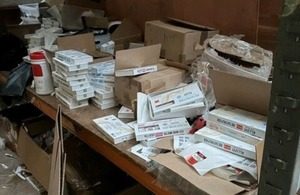
Over 12,000 fake retatrutide and tirzepatide pens, plus packaging for about 30,000 more, seized from an industrial unit in Birmingham.
- Source
- Official notice
- Photo
- Shown above
Official alerts
Counterfeit and illegal GLP-1 cases reported by medicines regulators, customs and police worldwide, newest first. Each entry links to the official notice, or to a news report of it where we couldn't find the notice itself. If your batch or serial number appears here, stop using the product and see what to do next.
Over 12,000 fake retatrutide and tirzepatide pens, plus packaging for about 30,000 more, seized from an industrial unit in Birmingham.
Customs seized counterfeit Mounjaro shipped from India. Its laboratory found the tirzepatide content varied widely between products, along with unidentified impurities.
76,112 pens and ampoules seized at the Paraguay border in the first half of 2026, about three times the 25,000 seized in all of 2025. Smugglers hid them in cars, buses, shoes and food tins.
Seizure ordered for falsified lots: lot numbers the manufacturer doesn't recognise, a serial number that doesn't match its lot, an incompatible pen device and a misprint ("soluction").
Two people fell into a coma with very low blood sugar after injecting fake Ozempic that contained insulin. One pen was bought on Marktplaats.
Falsified pens circulating in Mexico. The pen differs from Novo Nordisk's genuine FlexTouch device.
Over 300 vials seized in a raid on an aesthetic clinic selling online. INTERPOL warns illicit GLP-1s are sold online for as little as USD 10, and some contained sibutramine, a banned weight-loss drug.
Fake Mounjaro was made in a Gurugram flat from raw drug imported from China, then labelled and barcoded. About Rs 70 lakh of injections seized and two people arrested.
Falsified Ozempic with labels in languages other than Spanish, reported by Novo Nordisk Mexico.
A second illegal manufacturing site disrupted: almost 2,000 doses awaiting dispatch, equipment, suspected ingredients and packaging seized.
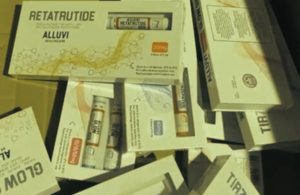
Fake 15 mg pens dispensed by a Birmingham online pharmacy. The batch number belongs to genuine 7.5 mg packs. The pens contained tirzepatide, but sterility can't be confirmed, and dose knobs came off during use.
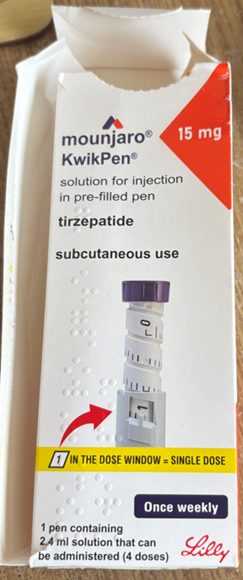
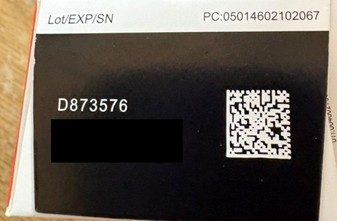
Public advisory on counterfeit and unauthorised GLP-1 drugs sold at retailers across Canada.
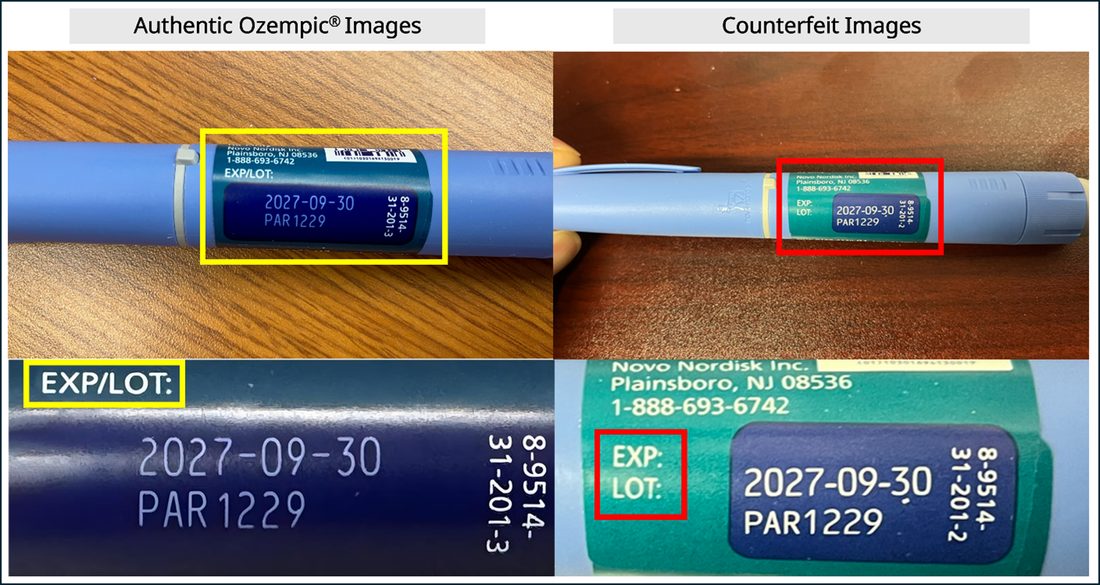
Dozens of counterfeit pens seized. The lot number is also used on genuine pens; the placement of the EXP and LOT text on the pen differs from the genuine product.
A 46-year-old woman died in November 2025, possibly after taking a weight-loss product bought online; prosecutors are investigating. The product has not been confirmed.
Measures against 10 websites. Patches sold as semaglutide contained no semaglutide. Later updates cover a "FastPen 40 mg" sold as retatrutide.
A 31-year-old went into a hypoglycaemic coma minutes after injecting. The hospital lab found insulin, not semaglutide. The pack had no Braille, misprints, a distorted logo and text not in Italian.
Record raid on an illegal factory: over 2,000 pens awaiting dispatch, tens of thousands of empty pens, raw ingredients and about £20,000 in cash.
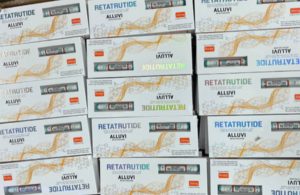
A small consignment bought online was stopped by customs. Two pens tested contained insulin instead of tirzepatide.
Falsified "Ozempic Semaglutida Tablets 25 mg" sold online by unregistered makers. Genuine Ozempic is not made as tablets. Banned nationwide, all lots.
Fakes in Swedish-language packaging sold by criminal networks and posted within Sweden; the first fake Mounjaro with Swedish labels.
Several hundred counterfeit units found outside authorised channels. The lot number is genuine; the serial numbers are not.
Counterfeit pens detected at the border. The batch number is not genuine, and the packaging has typographic differences such as altered spacing and bolding.
Counterfeit pens found to contain insulin; an adverse event was reported.
Global alert on falsified Ozempic found in Brazil, the UK and the US. One of the batch numbers is genuine but was used on falsified packs.
Relabelled Apidra SoloStar pens containing insulin glulisine sold as Ozempic. Similar fakes were reported in Azerbaijan, Egypt, Iraq, Jordan, Lebanon, Turkey, Uzbekistan and Russia.
Thousands of counterfeit units seized, including counterfeit needles whose sterility can't be confirmed.
Falsified Ozempic sold online and advertised on radio and social media during a shortage. Any semaglutide not made by Novo Nordisk is likely fake.
11 people developed dangerously low blood sugar after suspected fake Ozempic; one was hospitalised. The doses differed from genuine pens.
The fake pens contained no semaglutide; a state laboratory confirmed insulin. They are thought to be relabelled insulin pens. Pharmacies were told to check every Ozempic pack.
Fake pens obtained through a doctor. Several patients were treated in hospital with low blood sugar and seizures; the regulator suspects insulin. Fakes had a darker blue, a fully clear window, an extendable dose ring and 31G needles.
369 potentially fake Ozempic pens seized since January 2023, and fake Saxenda pens reported. A few people were hospitalised; symptoms suggest the pens contained insulin.
Falsified pens with German labels found at wholesalers in the EU and UK. They carried batch and serial numbers copied from genuine packs, which showed as inactive when scanned. The EMA page links to a photo from Germany's BfArM.
Fake packs reached Polish pharmacies through UK and German supply chains: 200 packs withdrawn and 1,300 German-labelled packs stopped.
People were hospitalised with low blood sugar after using falsified Ozempic bought outside legal channels. One package contained an insulin pen.
Counterfeiters copy real batch and serial numbers. In several cases above the batch number was genuine. A number that isn't listed here doesn't mean your pen is genuine. In the EU, a pharmacy can scan the pack's 2D code to check its serial number.
Photos are shown unaltered with their credit; where no photo is shown, follow the link to the original alert. DoseProof is not affiliated with Novo Nordisk or Eli Lilly. Ozempic, Wegovy and Saxenda are trademarks of Novo Nordisk A/S; Mounjaro, Zepbound and KwikPen are trademarks of Eli Lilly and Company.